Behind the Walls: What Makes a Safe Electrical Job
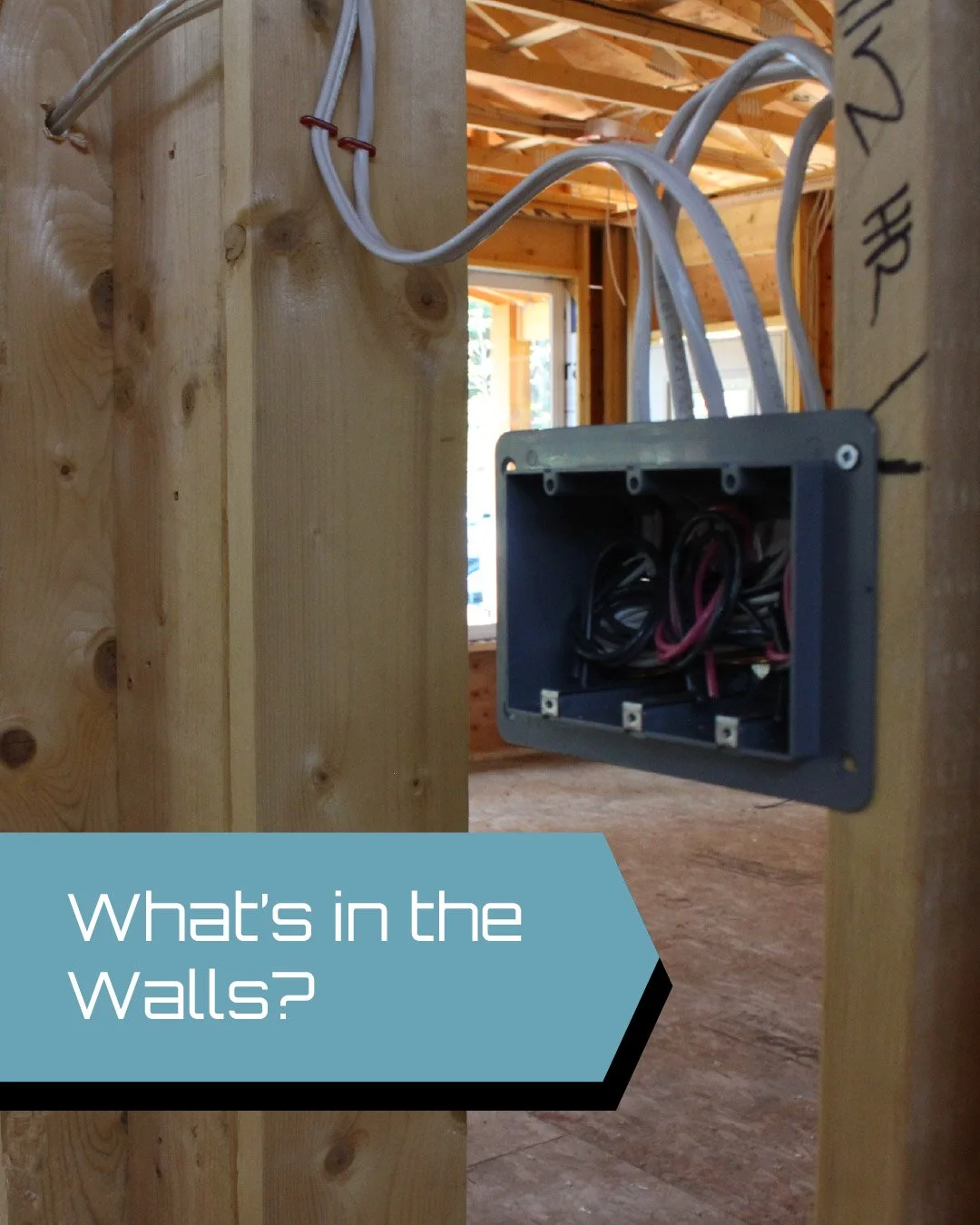
When the lights turn on and the outlets work, it’s easy to assume the electrical job was done right. But some of the most important work in a building is hidden behind drywall, tucked inside panels, and buried in conduit. That’s where the difference between a quick fix and quality, code-compliant electrical work really lives.
A safe electrical job isn’t just about making things function today—it’s about protecting people, property, and peace of mind for years to come. Let’s take a look at what truly separates rushed work from professional craftsmanship, and why safety and quality are inseparable in electrical work.
1. It Starts With Planning, Not Shortcuts
A quick fix often begins with a single goal: “Make it work.”
Quality electrical work begins with a different question: “Is this safe, compliant, and built to last?”
Professional electricians take time to:
Evaluate the existing system
Understand load requirements
Identify outdated wiring or panels
Plan circuits properly before installing anything
Skipping this step can lead to overloaded circuits, nuisance tripping, or worse—overheating and fire hazards. Good electrical work is intentional, not reactive.
2. Code Compliance Is the Floor, Not the Ceiling
Electrical codes exist for one reason: safety. They’re built from decades of real-world incidents, failures, and lessons learned.
A quick fix may:
Ignore grounding or bonding requirements
Use undersized wire
Skip GFCI or AFCI protection
Bypass permits or inspections
Quality work, on the other hand:
Meets or exceeds current electrical codes
Uses approved materials and methods
Passes inspections without “workarounds”
Anticipates future updates and expansions
Code compliance isn’t about red tape—it’s about reducing shock risk, preventing fires, and ensuring systems behave safely under stress.
3. The Right Materials Matter
Behind the walls, material quality makes a huge difference.
Cutting corners might mean:
Cheap outlets and breakers
Improper connectors
Mixed or incompatible components
Reused or damaged materials
Craftsmanship means choosing:
Properly rated wire and breakers
High-quality devices and enclosures
Correct fittings and supports
Materials designed for the environment they’re in
Electricity is unforgiving. Using the right materials isn’t an upgrade—it’s a necessity.
The Cost Of Cutting Corners
A rushed electrical job may save money upfront—but it often costs more later in:
Repairs and rework
Failed inspections
Property damage
Insurance issues
Safety incidents
Quality electrical work is an investment in longevity, reliability, and safety. It’s the difference between peace of mind and constant worry about what’s happening behind the walls.
Ultimately, safety and craftsmanship go hand in hand. Quality electrical work isn’t just about turning the lights on—it’s about protecting what happens behind the walls for years to come.